





What does 20 kg of luggage represent? For many airlines , such as Swiss International Airlines, this weight generally corresponds to the maximum allowed for checked baggage in economy class on certain routes. This allows you to bring a suitcase containing your clothes, toiletries, and other essentials for a trip , while respecting the maximum permitted weight .
This information is particularly important at the airport , especially at the time of departure . In this article, we explain how to choose your carry-on suitcase or checked baggage wisely, while taking into account the policies of airlines such as Swiss International Airlines.
What does 20 kg of luggage represent? Summary
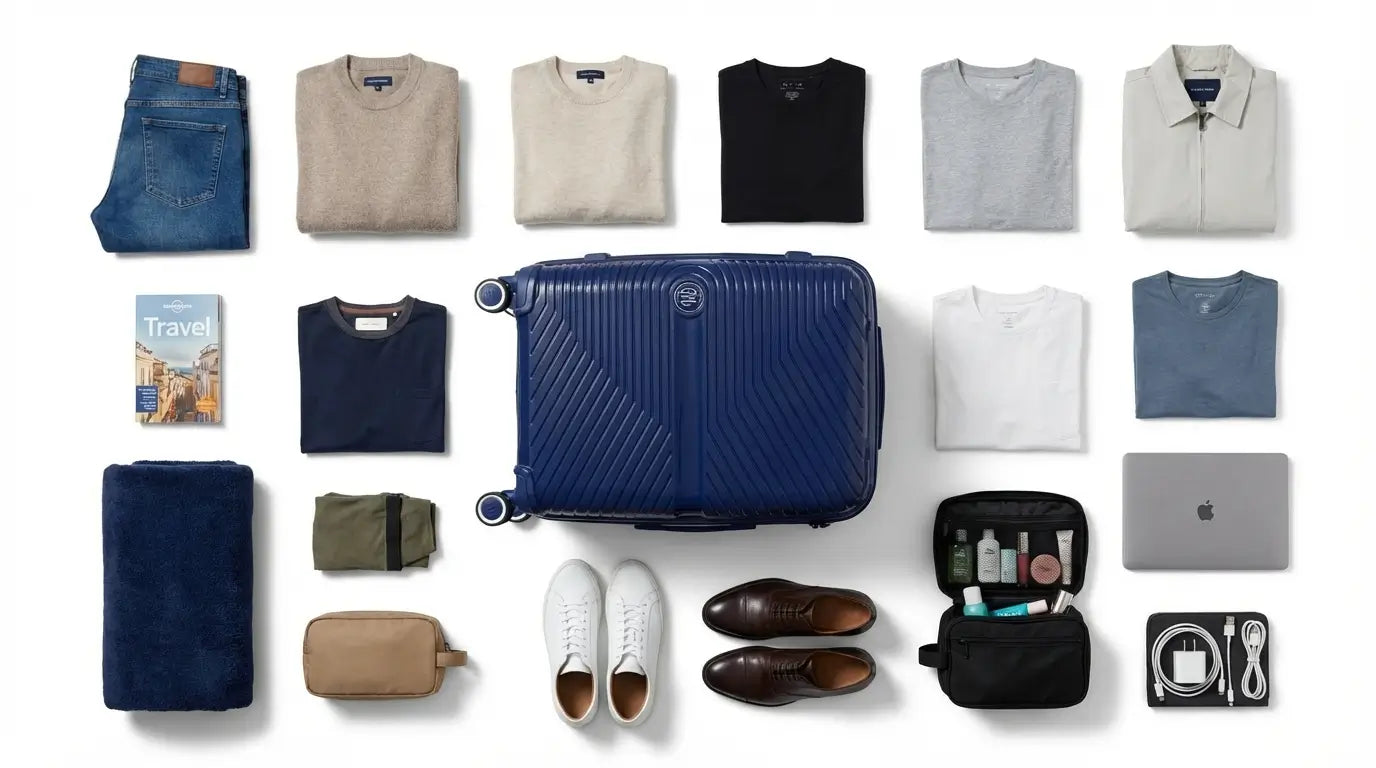
| Object | Approximate quantity | Estimated weight |
|---|---|---|
| Sweaters | 6 to 8 | 4 to 5 kg |
| Trousers / jeans | 4 to 5 | 3 to 4 kg |
| T-shirts | 8 to 10 | 2 kg |
| Underwear + socks | 10 to 14 pieces | 1 kg |
| Shoes | 1 pair | 1.5 to 2 kg |
| Complete toiletry kit | 1 | 1 to 1.5 kg |
| MacBook Air 13-inch | 1 | 1.2 kg |
| Chargers + accessories | — | 0.5 kg |
| Empty suitcase (medium size) | 1 | 3 to 4 kg |
In short: 20 kg of luggage corresponds to an average suitcase allowing for comfortable travel for 1 to 3 weeks. This is the standard checked baggage limit for many airlines in economy class.
Understanding the 20 kg weight limit
Why is 20 kg often the norm?
Wondering why many airlines limit checked baggage to 20 kg? This is due to the maximum takeoff weight (MTOW) of aircraft. This calculation takes into account fuel, passengers, and checked baggage . Maintaining this balance is crucial to ensure the aircraft's weight and stability , preventing issues such as reduced cruising speed or a more difficult takeoff.
In economy class, this standard is designed to ensure safety while avoiding overloading the aircraft. However, some low-cost carriers may reduce this limit to 15-18 kg depending on their specific policies .
Consequences of baggage overload
If your suitcase exceeds this weight limit, be prepared for often hefty additional charges. These can range from €3 to €10 per extra kilo, and can reach up to €300 depending on the airline . Furthermore, there may be additional charges if you carry an extra suitcase .
Beyond the fees, overweight baggage can cause technical problems. For example, it could damage the tires upon landing. In some cases, a special tag or a liability waiver may be required, which exposes your fragile items to increased risks in the hold .
What can a 20 kg suitcase contain?
Examples of luggage composition
Imagine a medium-sized suitcase measuring 65x41x27 cm, perfect for a weight of 20 kg. Here's what you can easily pack: 7 pairs of underwear, 7 pairs of socks, 2 to 3 stockings, 6 to 7 tops, a nightgown, a light sweater, a jacket, a pair of versatile shoes, and sandals. Add a small laundry bag, a drawstring, laundry detergent sheets, and a toiletry bag with containers no larger than 100 ml for checked baggage.
For added comfort, consider including an inflatable neck pillow, a sleep mask, earplugs, compression socks, and a book or tablet. A daypack for day trips can also be packed. With a volume of 80 to 120 liters, this setup is ideal for traveling light for 1 to 3 weeks.
Impact of suitcase choice on total weight
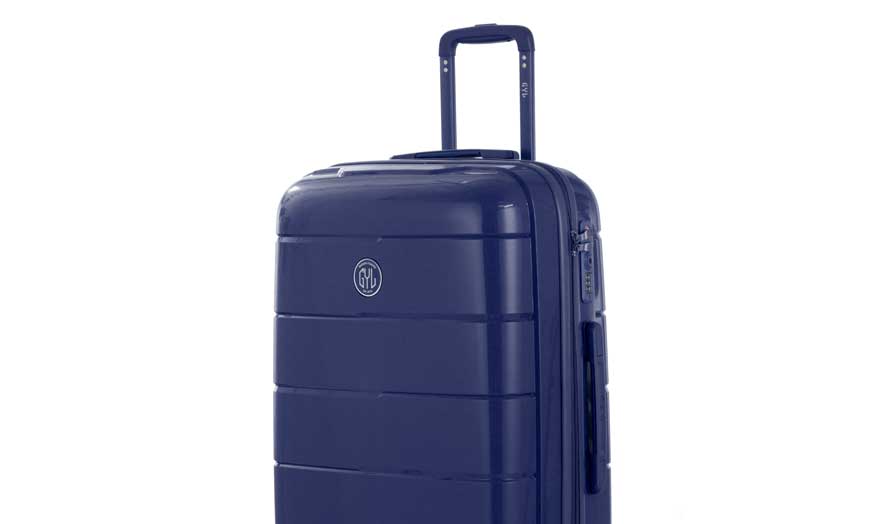
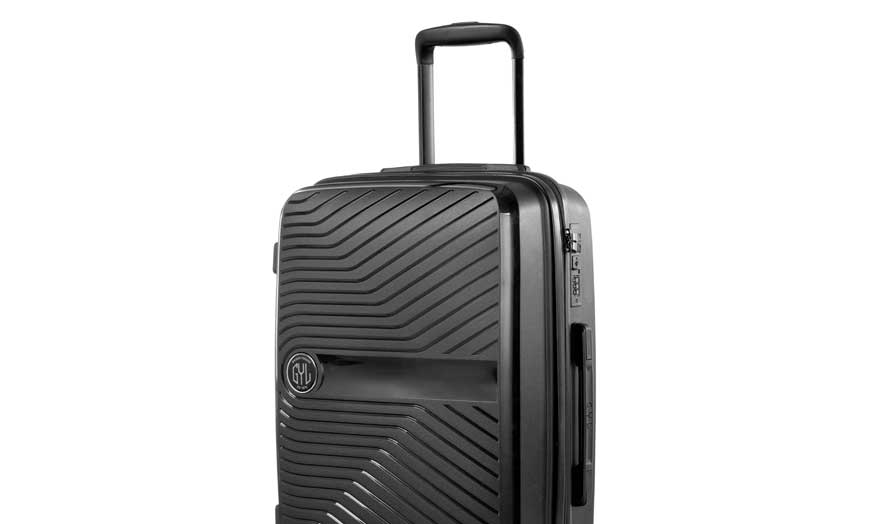
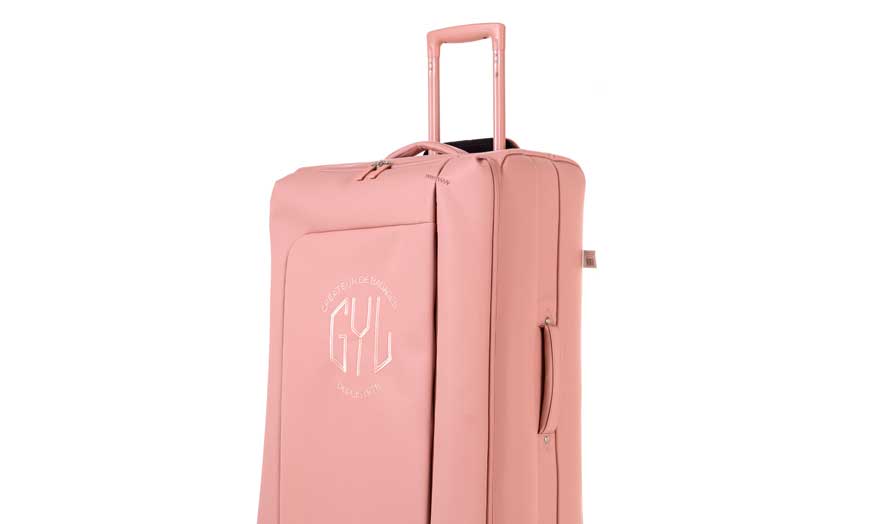
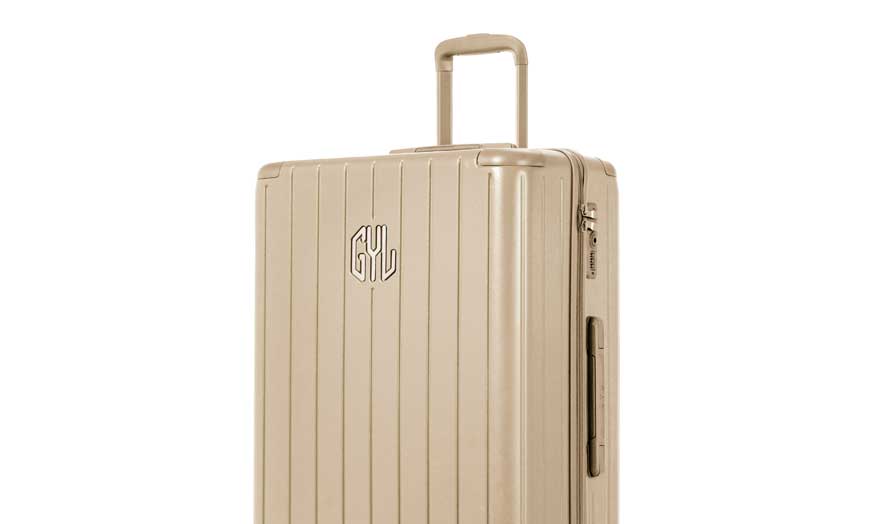
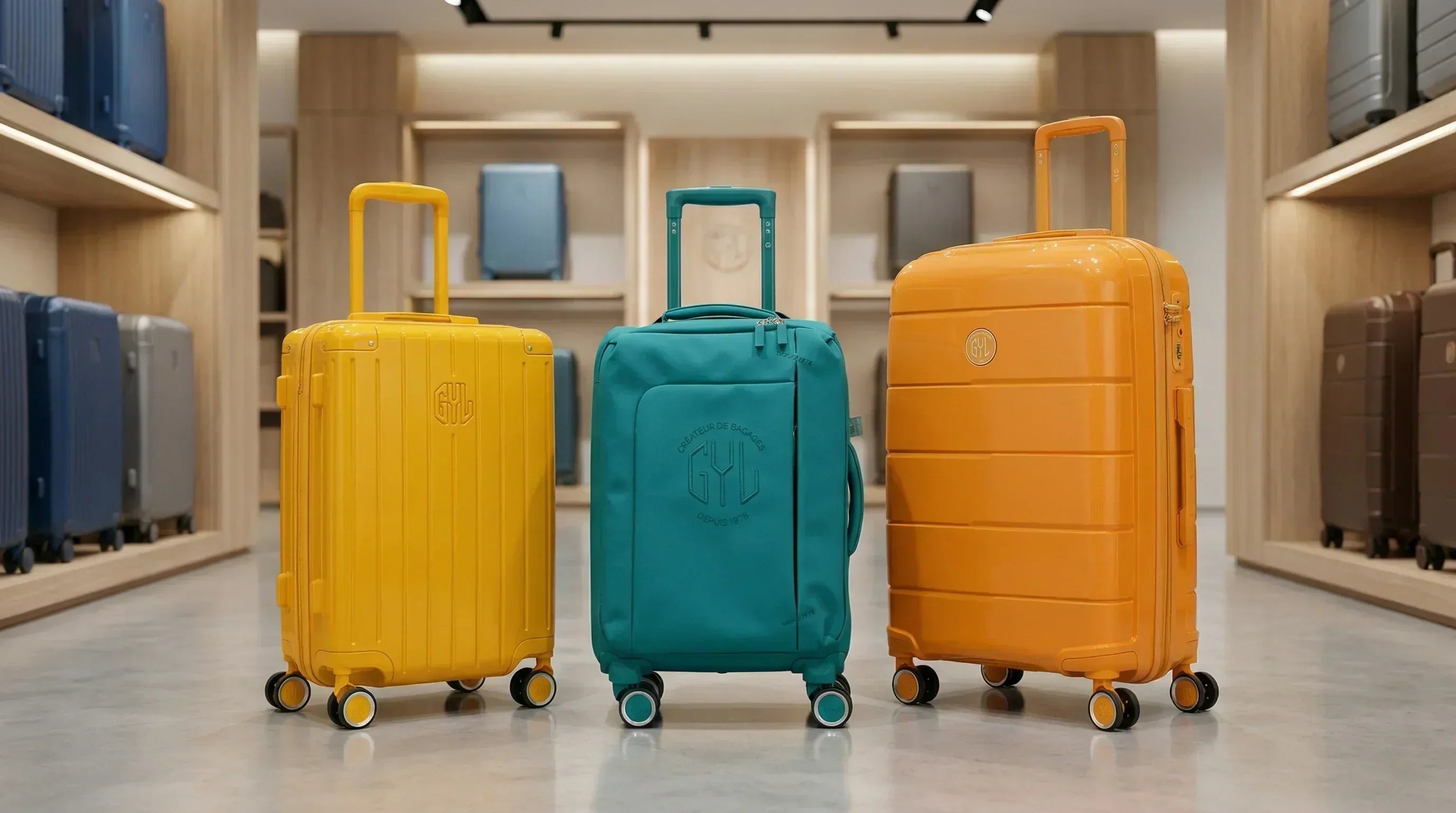
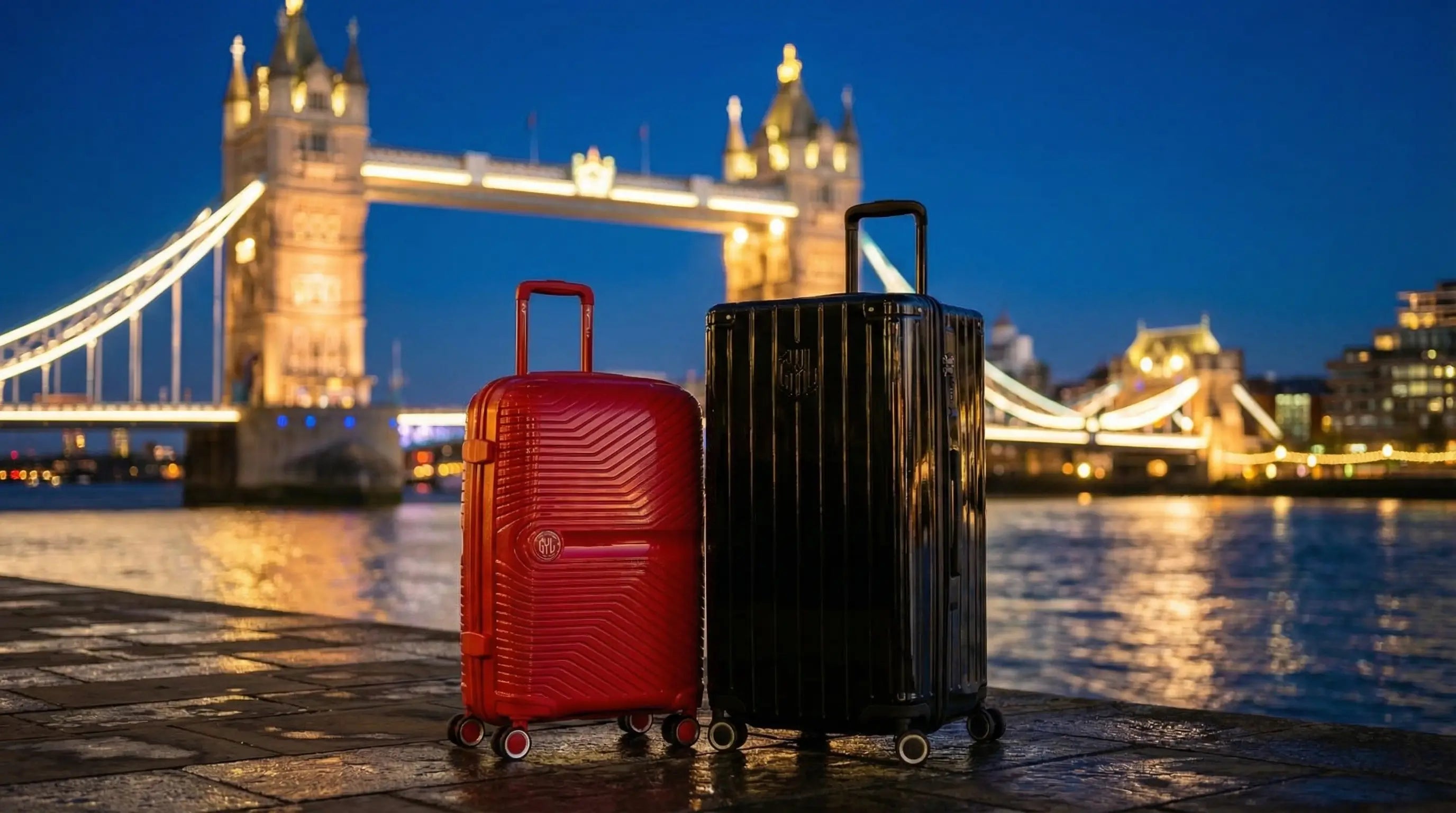
The type of suitcase you choose has a significant impact on the total weight. For example, hard-shell suitcases , like the Camps United Brown model, offer excellent protection for fragile items in the hold, but they are generally heavier when empty. Conversely, expandable soft-sided suitcases are lighter and allow you to maximize available space , which is ideal for bringing back souvenirs.
For optimal organization, a rectangular trunk suitcase is perfect for storage in a car or plane. If you're looking for absolute lightness, a soft-sided XL travel bag is an excellent option. It frees up precious weight for your clothes and essentials, while still respecting the maximum luggage dimensions of 158 linear cm.
Tips for optimizing luggage weight
Strategies for effective packaging
To maximize space in your suitcase, roll your clothes into tight cylinders rather than folding them. This method can save you up to 30% of space while reducing wrinkles, which is especially useful for t-shirts and jeans. Use compression bags for jackets and thick sweaters to expel the air. Consider using packing cubes, categorized by type, to better organize your luggage . This allows you to easily see your belongings at a glance. Finally, choose versatile, multifunctional pieces that mix and match easily.
Coping with weight restrictions
Wear your heaviest items, such as hiking boots or your coat, when you leave for the airport . Distribute heavy items between your carry-on and checked baggage to better balance the weight. Before packing your suitcase, weigh it empty using a digital scale. To reduce the number of items you need to bring, plan to do laundry at your destination, which will limit the amount of socks and underwear you'll need. You can also buy items like sunscreen or souvenirs locally. Finally, always check your airline 's baggage weight restrictions to avoid extra charges for often expensive additional baggage options .
Conclusion
In summary, 20 kg of luggage is the essential standard for airlines to ensure a well-balanced checked bag . This limit helps avoid costly excess baggage fees while guaranteeing optimal security . You now have the tools to pack a medium-sized suitcase, incorporating your clothes and essentials , and applying practical tips like rolling or compressing to maximize available space . Remember to choose hard-shell or soft-shell suitcases depending on your needs, weigh your luggage in advance, and carry the heaviest items in the cabin .
Ready for your next trip ? Take the time to check your airline 's specific policies , follow these tips, and travel with peace of mind, without unexpected costs!
FAQ
What are the maximum permitted dimensions for a 20kg piece of checked baggage?
The maximum dimensions allowed for a 20 kg checked bag depend on the airline. Generally, the standard is 158 cm (sum of height, width, and depth). This applies in particular to airlines such as Air France, Air Austral, and American Airlines. Some airlines have specific rules: Royal Air Maroc allows up to 203 cm , while Transavia limits it to 165 cm .
We recommend that you check the conditions of your flight with your airline.
What is the difference between a 20kg checked bag and a cabin bag?
A 20 kg checked bag is registered at the check-in counter and transported in the aircraft's hold. It offers more space for your belongings, including large quantities of liquids and bulky items. However, it requires collection after landing and may incur additional charges.
In contrast, carry-on baggage remains with you on the plane. It is limited in weight, dimensions, and contents (for example, liquids must be ≤100 ml). This type of baggage is often more practical and saves time.
What items are prohibited in a 20kg checked bag?
Certain items are strictly prohibited in checked baggage , including:
- Explosives and ammunition
- Compressed gases and gas cylinders
- Flammable products (gasoline, solvents, paint)
- Toxic and corrosive materials
- Lithium batteries and power banks
- Electronic cigarettes and their batteries
- Hoverboards and some e-bikes
Make sure to check your airline's list of restrictions before packing your luggage.
Can I exceed 20 kg for checked baggage and what are the fees?
Yes, it is possible to exceed the 20 kg limit for checked baggage if the airline allows it. Generally, the maximum weight allowed is 23 kg as standard and can go up to 32 kg depending on the travel class or the airline's policy.
Excess baggage fees apply if the baggage allowance is exceeded. These fees often range from €50 to €100 , but can vary depending on the airline and airport. Check the rates with your carrier to avoid any surprises.

Leave a comment
All comments are moderated before being published.
This site is protected by hCaptcha and the hCaptcha Privacy Policy and Terms of Service apply.