





Many of you have asked me how much a trip to Japan costs. First of all, I want to clarify that the information shared here is for a typical one- to two-week stay, and of course, budgets can vary! On average, you should expect to spend between €1,000 and €2,500 per person, all-inclusive: airfare, accommodation, meals, transportation, and activities. Keep in mind that adventurous travelers who prefer very budget-friendly trips can reduce their costs, while those who favor upscale hotels , culinary experiences, or paid excursions will see these amounts skyrocket.
In detail, the final price depends mainly on several factors: the airfare (budget typically between €600 and €1,500 round trip from Europe), the type of accommodation chosen (hostel, standard hotel, or luxury hotel), and whether you use the Japan Rail Pass for your travel between Tokyo, Kyoto, and Osaka. Another key element to consider is the number of activities or excursions planned. For example, those that include experiences like Universal Studios in Osaka or a trip to Mount Fuji will obviously need to adjust their budget accordingly.
Summary of budgets for a trip to Japan
| Type of expense | Eco-friendly travel | Average trip | Luxury travel |
|---|---|---|---|
| Round-trip flight | €600 to €900 | €900 to €1,400 | €1,400 to €2,000 |
| Accommodation (7 to 14 nights) | €350 to €700 | €900 to €1,600 | €2,800 to €5,600 |
| Meal | €200 to €450 | €350 to €700 | €900 to €1,800 |
| Transport (metro + trains) | €120 to €300 | €350 to €600 | €700 to €1,500 |
| Activities (temples, museums, excursions) | 80 to 250 € | €200 to €500 | 500 to 1,200 € |
| Luggage (checked baggage, optional extras, suitcases) | 0 to 120 € | 60 to 200 € | €120 to €300 |
| Extras + unforeseen expenses (10 to 20%) | 150 to 300 € | €250 to €600 | 500 to 1,200 € |
| Estimated total | €1,500 to €2,900 | €2,200 to €4,600 | €5,000 to €13,600 |
How much does a trip to Japan cost? In practice, expect to pay on average €2,000 to €3,500 per person for a classic stay of 7 to 14 days (flights included), with a range that can go down to €1,500 in economy mode or up to €8,000 and more in high-end mode.

The main expenditure items
The cost of the plane ticket and luggage
Unsurprisingly, airfare often represents the largest portion of a travel budget. Prices vary considerably depending on the season , the airline (low-cost or full-service), and the number of layovers. For a round trip from France, you can generally expect prices ranging from €600 to €1,400 in economy class. Note that there are often discounted offers during promotional periods, but also significant price increases during peak season.
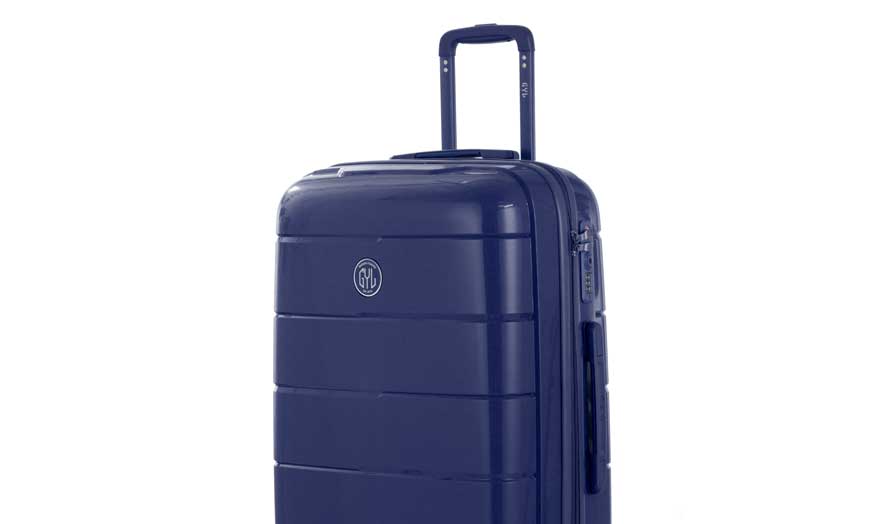
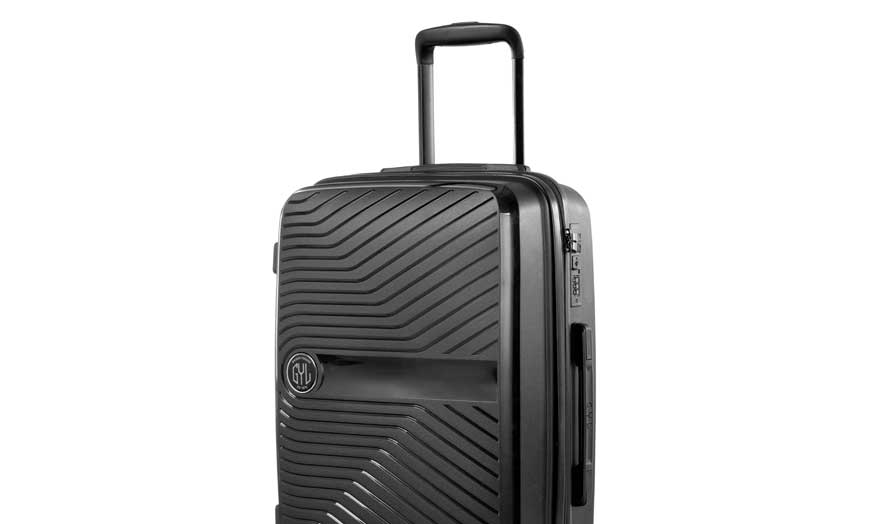
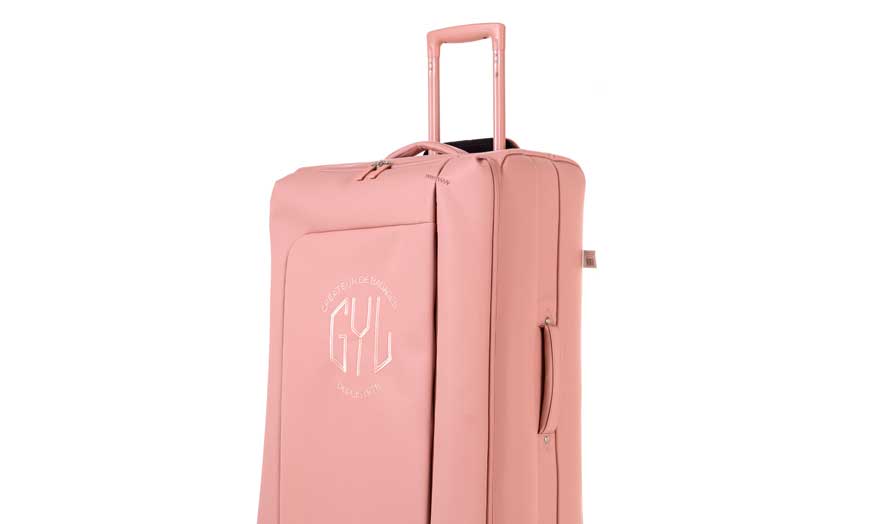
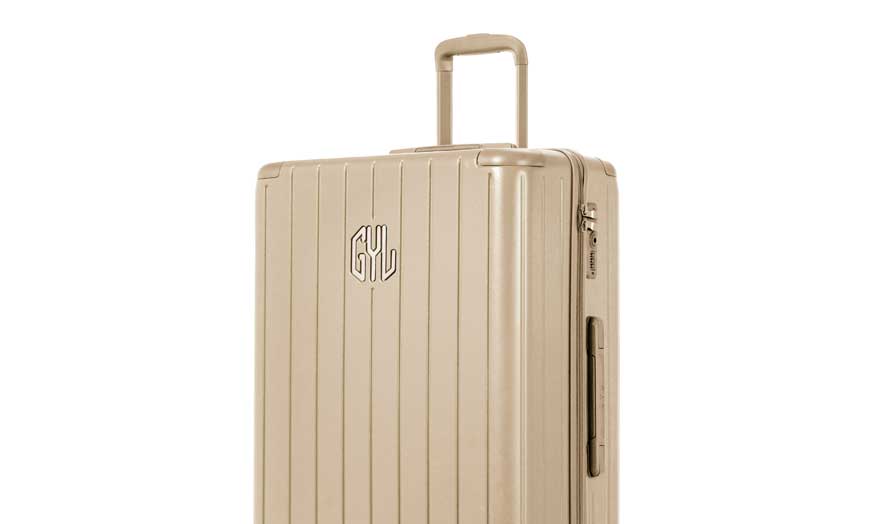
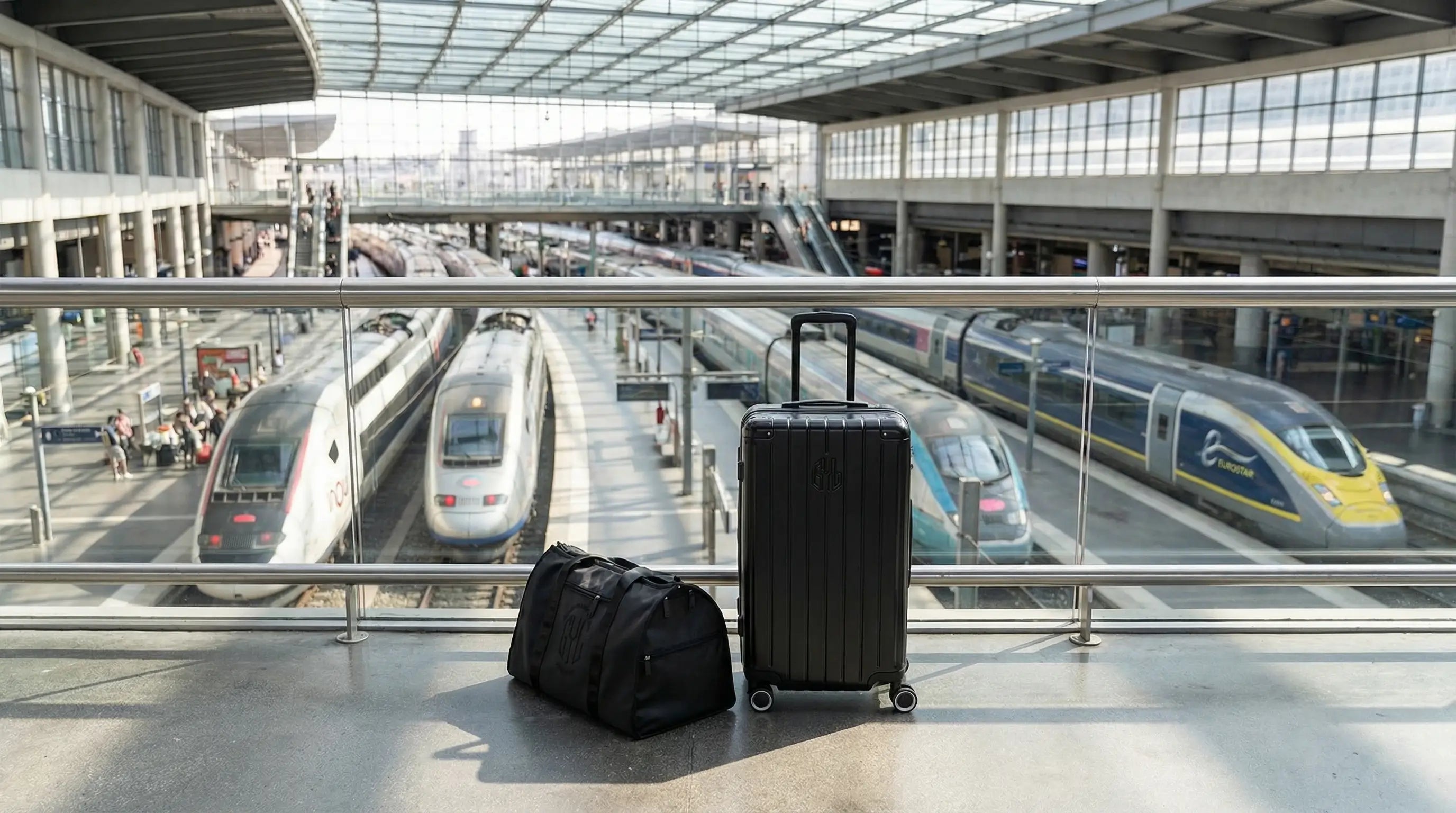
Pay particular attention to luggage: take the time to check your airline's baggage policy. Checked baggage options, or additional allowances, can quickly inflate the bill, especially if you're traveling with a lot of belongings. For example, a standard checked suitcase might be enough to carry everything you need for a trip of several weeks, such as to Japan. Some low-cost carriers, despite offering attractively priced tickets, charge for each checked bag separately, which can quickly become expensive.
For those of you who use GYL suitcases (specific type of luggage), remember to include these costs in your budget: purchase, rental or additional costs related to air transport.
Accommodation: from youth hostels to luxury hotels
Accommodation in Japan offers a vast array of options to suit all budgets and comfort levels. Hostels and guesthouses remain the most economical alternative, perfect if you're traveling with a group of friends or solo. For a balance between comfort and price, you'll find standard hotels (often 3 or 4 stars), conveniently located in major cities. Finally, for those who dream of immersing themselves in Japanese culture, a stay in a traditional ryokan or even a luxury hotel will be a unique experience – but expect a significantly higher budget, sometimes even double or triple depending on the location (Tokyo being more expensive than smaller towns) and the amenities included.
Meals: from fast food to fine dining
If there's one expense where everyone can tailor their budget to their travel style, it's food. Japan is renowned for offering affordable and delicious meals on every corner, from ready-to-eat bento boxes and ramen restaurants to the famous local convenience store chains. These options allow you to eat well on a moderate budget. But for those who want to experience Japanese cuisine , particularly traditional kaiseki restaurants or certain establishments in Kyoto, the cost can quickly escalate. Consider determining your average daily expenses based on your preferences and cultural interests (some hotels offer packages with meals included, which can be helpful).
Internal transport: JR Pass, subway and taxis
To explore different cities like Tokyo, Kyoto, or Osaka, the Japan Rail Pass is a practical and often economical solution if you're making several long-distance journeys. However, if your itinerary remains focused on a specific region, it might be more advantageous to opt for regional passes or even individual tickets.
In the city, the subway remains by far the most economical and efficient option , especially in Tokyo where the network is exceptional. Conversely, taxis are generally more expensive, but can be perfectly suitable for short trips or when you have a lot of luggage. Don't forget to include in your budget the costs of transportation to the airport, as well as potentially pocket Wi-Fi or SIM cards to simplify your travels and organize your outings.
Tourist visits and activities
Activities such as museums , temples (which require an entrance fee) , Universal Studios in Osaka, organized excursions, and guided tours can represent a variable portion of the budget . Some visits, particularly in Tokyo or Kyoto, are relatively inexpensive , which is good news for discovering iconic locations without breaking the bank. However, keep in mind that major attractions and theme parks, like Universal Studios, require entrance tickets, the cost of which can quickly add up depending on the size of your group or the number of activities planned.
I therefore recommend setting aside a little extra money in your budget to cover entrance fees, guided tours, and, of course, souvenirs. There's nothing like a precious little item brought back from a museum or temple to extend the pleasure of an exceptional day in Japan, right at home!

Variables influencing the budget
The season: high season vs. low season
As you know, the season plays a major role in budgeting for a trip to Japan. During peak season —such as spring for cherry blossoms (March-April) or autumn for the stunning foliage (October-November)—prices for flights, hotels, and activities increase significantly, often by 20 to 40% . Airfares can range from €1,500 to €2,000 , while during the off-season (January-February, June, and September), travel can become more economical thanks to price reductions of up to 40%. Flights become much more affordable, dropping to €600-€900 , and accommodations are significantly more budget-friendly.
The duration of the trip
You should also consider the length of your stay. The longer it is—whether it's one week, two weeks, or more—the more expenses will add up. For example, a one-week stay in Tokyo or a classic Tokyo-Kyoto-Osaka itinerary remains relatively manageable in terms of budget, but a vacation in Japan spread over several weeks will involve more hotel nights , meals, and travel. A budget estimated at €1,000-€1,500 per person for one week can easily climb to €2,000-€3,000 , depending on the itinerary. So, plan according to your priorities and pace.
Travel style: budget, mid-range, or luxury
Finally, don't underestimate the impact of your travel style on your overall budget. Every choice counts! If you're on a budget, you'll enjoy staying in hostels , eating at delicious street food spots, and taking advantage of public transportation. If you're on a mid-range budget, standard hotels, the popular Japan Rail Pass , and a reasonable activity plan will help you better balance your expenses. For those seeking luxurious experiences, you'll find what you're looking for in upscale ryokans with Michelin-starred cuisine, private guides, and refined service. Daily costs can then vary significantly. The choice is yours: between controlling your spending and an exceptional stay in this wonderful land of the rising sun!
Examples of budgets for different types of trips
Budget travel
For those looking for a budget-friendly week-long trip , primarily in Tokyo or with a side trip to Kyoto, expect to spend between €1,500 and €2,000 per person. This includes hostel accommodations costing around €35-€50 per night, affordable meals such as convenience stores ( konbini ) or ramen (€10-€15 per meal), and individual transportation via subway without a national JR Pass. For activities, opt for free or low-cost options like visiting temples or enjoying scenic walks. Finally, consider sharing a pocket Wi-Fi device to minimize costs. It's an ideal solution for those on a tight budget!
Average trip
If you're planning a two-week trip to Japan, visiting Tokyo, Kyoto, and Osaka, on a mid-range budget, expect to spend between €2,500 and €3,500 per person. This includes nights in standard hotels at around €70-€100 (based on double occupancy), a Japan Rail Pass for easy intercity travel (€400-€500 depending on the duration), and a mix of budget-friendly and slightly more elaborate meals for an overall budget of €20-€30 per day. Add to that must-see attractions like museums or an immersive experience at TeamLab (entrance fees are generally €10-€20). It's a perfect way to explore the highlights while having fun!
Luxurious stay
For those seeking a high-end experience in Japan over 10 to 14 days, the budget should be between €5,000 and €8,000 (or even more). You can stay in traditional ryokans or 5-star hotels with rates ranging from €200 to €400 per night and enjoy gourmet omakase or kaiseki meals, with menus often exceeding €100. For transportation, opt for private options such as cars or minivans with drivers. Enhance the experience with premium activities like go-karting in Tokyo or a visit to Edo Wonderland. In total, the daily budget can easily reach €390, but every moment will be memorable and exceptional!
Savings and great deals
Tips for flights and accommodation
Many of you have asked me for advice on reducing the cost of a trip to Japan, and here are a few tips I've found really effective. For plane tickets , remember to book them several months in advance. While monitoring prices using comparison sites like Skyscanner or Kayak, you can also subscribe to airline newsletters so you don't miss any promotions. If you're flexible, traveling off-season or accepting a layover can save you a small fortune!
As for accommodation, it's often possible to combine several good deals: travel during off-peak seasons and opt for smaller establishments . Guesthouses, business hotels, and some ryokans located outside tourist areas are often much more affordable—while still offering remarkable value for money. A little tip that has saved me several times: book a room with free cancellation . This allows you to keep an eye out for price drops without taking any risks.
Clever use of the JR Pass and subway passes
The JR Pass is an excellent option, provided it suits your itinerary. Before purchasing it, carefully plan your long-distance journeys (Tokyo-Kyoto-Osaka, for example). If your trips are shorter or concentrated in a single region, regional passes are often more cost-effective. Another solution is prepaid cards like Suica or Pasmo , which prevent wasting money on less essential journeys.
In large cities, day or weekly metro passes are ideal for frequent travel. But for exploring neighborhoods at a more relaxed pace, I recommend renting a bike or walking. It's not only economical, but also a perfect way to discover hidden gems.
Great deals on free meals and activities
It's hard to resist the temptation of good food in Japan! Fortunately, there are budget-friendly options without sacrificing quality. Convenience stores (konbini) , bento boxes, and ramen chains are perfect for sampling local cuisine at very reasonable prices. I also recommend checking out the markets , izakayas (Japanese pubs) located outside tourist areas, or taking advantage of lunch menus , which are often offered at attractive prices.
When it comes to activities, don't overlook the many free or low-cost options : temples, public gardens, museums (some offer free entry days), strolls through historic districts, or local festivals . If you're planning a visit to a theme park or popular attraction, consider buying your tickets in advance. This will not only reduce costs but also allow you to choose the best time slots.

Conclusion
I'm sure many of you are asking this crucial question: how much does a trip to Japan cost? Well, it can vary between €1,500 and €8,000 per person , depending on the length of your trip, the season, and your style of travel. These costs include the main elements: flights, accommodation, meals, transportation such as the JR Pass, and of course, activities. Tailor your budget to your desires : a budget trip to discover Tokyo, Kyoto, and Osaka in a week is perfectly feasible, as is a luxurious stay with nights in ryokans and memorable culinary experiences.
The secret to saving money? Book your tickets and accommodation well in advance, use metro passes which offer excellent value for money, and opt for local cuisine, which is both delicious and affordable. So, why wait?
FAQ Travel to Japan
What is the average cost of a 7-14 day trip to Japan, including flights, and what are the typical price ranges?
Many of you have asked me this question, and I'll try to answer it as best I can. On average, a 7- to 14-day trip to Japan, including flights, costs between €2,000 and €3,000 per person . For those looking to optimize their budget, here's an idea of the typical price ranges:
- Low budget : between 1,500 and 2,000 euros (opting for hostels, low-cost flights and other economical choices).
- Average budget : between 2,200 and 2,800 euros (with 3-star hotels and a JR Pass).
- High budget : between 3,000 and 4,200 euros (for superior comfort and if you travel in high season).
What items (flight, accommodation, transport, meals, activities) should be included in the budget and what percentage of the total do they generally represent?
To create a realistic budget, it's essential to include all major items. Here's an idea of the breakdown (they can, of course, vary slightly depending on your priorities!):
- Transportation : often represents between 20 and 37% of the budget.
- Accommodation : accounts for approximately 20 to 28%.
- Meals : a portion of 15 to 30%, depending on your choices (from street food to restaurants).
- Activities and leisure : approximately 10 to 20%.
- Extras and unforeseen events : allow a margin of approximately 10%.
In total, this amounts to approximately 1,550–1,774 euros per household , but again, this is an average estimate.
How to reduce the cost of a trip to Japan (best time to book, types of accommodation, train passes, food tips)?
Looking to save money on your trip? Good news, there are plenty of tips to reduce costs:
- Booking your flights between 6 and 9 months in advance , ideally in January-February, June or September, can save you up to 40% .
- For accommodation, opt for traditional hostels, Airbnbs or even capsules for tight budgets.
- Use a JR Pass to cover your Shinkansen journeys.
- When it comes to food, consider the economical set menus in some canteens or the 100 Yen shops .
- Avoid national holiday periods such as Golden Week or Obon: prices skyrocket during these events.
These simple tips can really lighten the load without depriving you of the pleasure of discovery!
What unforeseen expenses should be anticipated and what margin amount should be recommended?
When preparing your budget, don't forget to consider unexpected expenses; they can quickly increase the total cost:
- Travel insurance : budget between 50 and 150 euros per person , depending on the coverage chosen.
- Pocket Wi-Fi or eSIM: between 30 and 100 euros per week, essential to stay connected!
- Bank charges : consider potential costs for withdrawals or card payments (1 to 3% + 2 to 5 euros per transaction).
- High seasons and special events: prices can increase by 20 to 100% depending on the destination.
I recommend setting aside a safety margin of approximately 10 to 20% of your total budget, so you can sleep soundly and fully enjoy your trip!


Leave a comment
All comments are moderated before being published.
This site is protected by hCaptcha and the hCaptcha Privacy Policy and Terms of Service apply.